







Search Results for: coffee bean brittleness
How Do Coffee Bean Density and Brittleness Affect Grind Size? A Guide to Choosing Grind Settings for Pour-Over Coffee
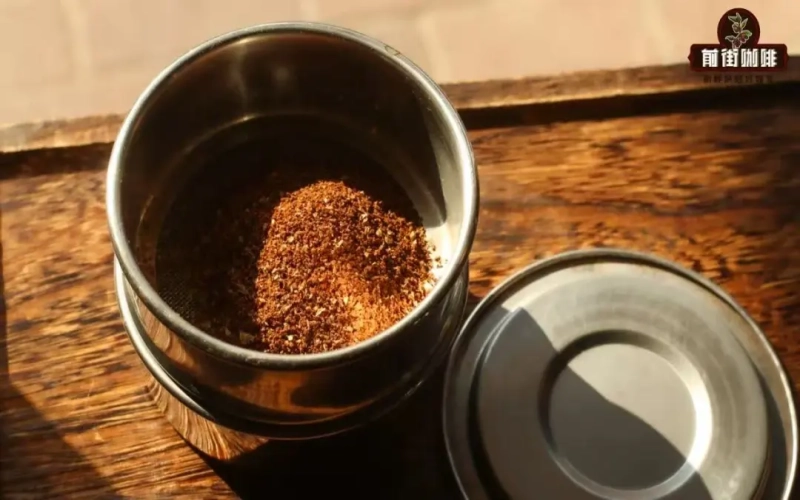
Many pour-over enthusiasts have discovered when testing ground coffee with a sieve that the same grind setting produces different passing rates for different bean varieties. Front Street Coffee recently received similar questions: why does particle size vary under the same grind setting? The core reason lies in the differences in bean density and brittleness—high-altitude, light-roasted beans tend to be harder and denser, producing fewer fines during grinding; low-altitude, dark-roasted beans are more brittle and prone to crumbling into fines. Only after understanding this principle can one adjust the grind size for different beans. This article combines medium-light roasted beans such as Front Street Yirgacheffe Gotiti, Front Street Ethiopia Hachira, and Front Street Granja Geisha, as well as medium-dark roasted beans such as Front Street PWN Golden Mandheling, Front Street Brazil Queen's Estate Yellow Bourbon, and Front Street Jamaica Blue Mountain No. 1, to provide specific EK43 settings and No. 20 sieve passing rate recommendations, helping coffee enthusiasts achieve consistent results. [more…]
Why does the same grinder setting produce grounds of different sizes? Analyzing the link between coffee bean brittleness and density
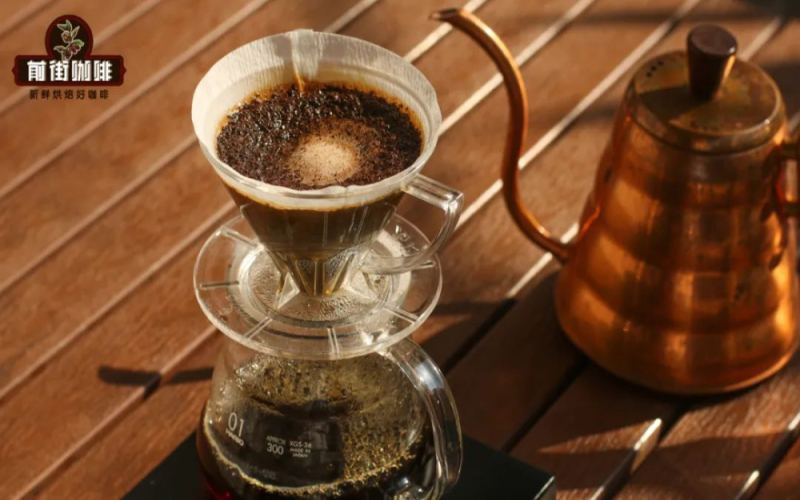
On the same grinder at the same setting, why does switching to a different coffee bean produce noticeably different grind sizes? This actually comes down to two core physical properties of coffee beans—density and brittleness. Density is determined by growing altitude: the higher the altitude and the slower the growth, the harder the bean and the fuller the flavor. Brittleness, on the other hand, is directly tied to roast level: the darker the roast and the more moisture is driven off, the looser the structure and the easier the bean is to crush. Starting from actual experiments at Front Street, this article uses a comparison of the sieve-passing rates of dark-roasted Mandheling and light-roasted Yirgacheffe to explain why grind consistency breaks down, and how that leads to clogged filter paper and over-extraction problems. [more…]
Should Fine Particles in Pour-Over Coffee Be Sifted Out? A Comprehensive Analysis of Their Causes, Roles, and When to Deal With Them
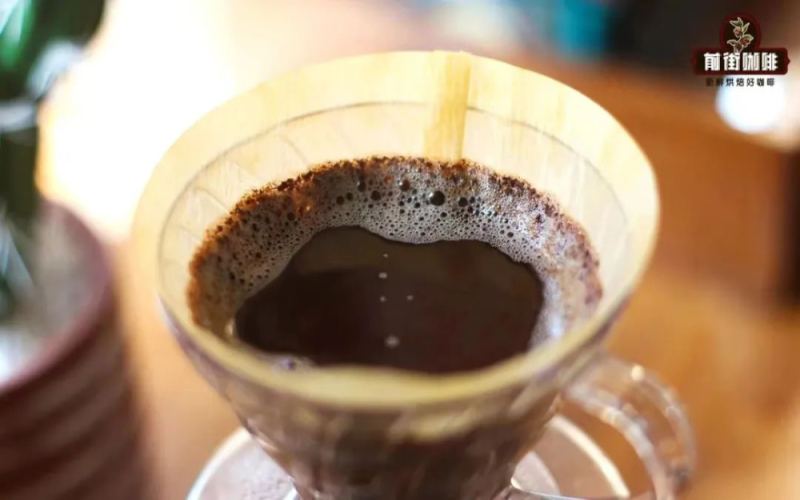
In the practice of pour-over coffee, fines are often seen as the culprit behind clogging and bitterness, and many people have thus developed the habit of always sifting out fines before brewing. But do fines really only have negative effects? From the perspective of Front Street, this article systematically sorts out the definition of fines, their generation mechanisms, and their actual contribution to flavor, explaining why in most cases it is unnecessary to completely sift out fines, and under what conditions sifting should really be considered. At the same time, the article also explores the relationship between coffee bean brittleness, grinder quality, and the amount of fines, helping readers build a more complete understanding of extraction. [more…]
Is It Feasible to Make Espresso from Single-Origin Beans for Pour-Over? Differences Between Light Roast and Blend Beans and Extraction Adjustment Approaches
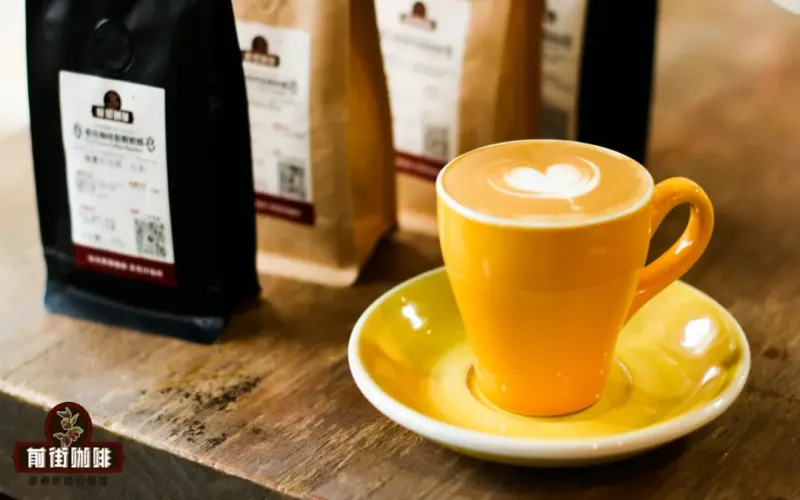
Many coffee enthusiasts stock up on single-origin pour-over beans during Front Street Coffee's monthly limited-time events, yet their purpose is to make espresso. However, single-origin beans are mostly medium-light or light roasts, which differ significantly in roast level from the dark roasts commonly used for espresso. Directly applying dark roast parameters often results in espresso that is sharply acidic and thin. This article focuses on this topic, first explaining the essential differences in density and brittleness between dark and light roast beans, then providing grinding adjustment ideas and reference formulas for light roast single-origin beans, and finally, from the two directions of dose and milk ratio, explaining how to keep light roast espresso from being diluted and masked in milk-based coffee, along with practical tips for making milk coffee. [more…]
How to deal with too many coffee fines? The differences between fines and coarse particles in pour-over grinding and how to handle them
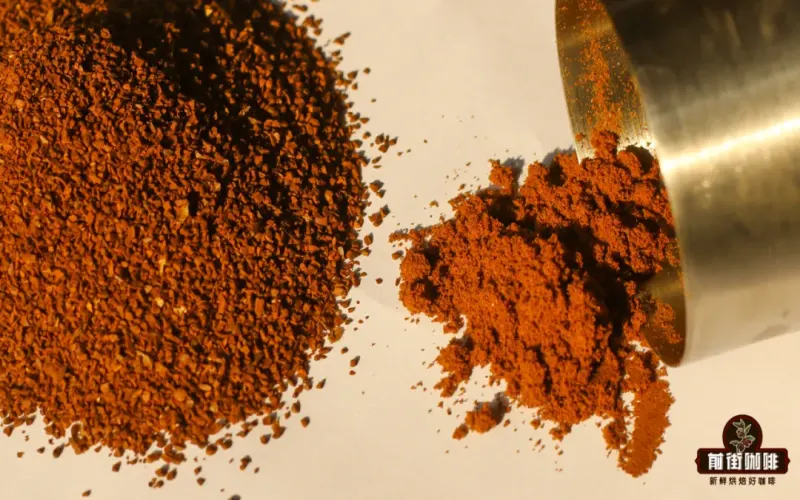
In the grinding stage of pour-over coffee, the production of fines is almost unavoidable. These tiny particles, with a diameter of less than 0.1mm and a texture close to flour, are far off from the target particle size of 0.6~0.8mm. The source of fines is related both to the brittleness of the coffee beans themselves and directly affected by the quality of the grinder. For coffee enthusiasts, understanding the dual nature of fines—they can both improve extraction efficiency and enrich complexity, and may also bring bitterness and clogging—is the key to brewing the ideal flavor. This article will analyze the causes of fines, the differences between coarse and fine particles, and strategies for dealing with them during pour-over brewing, and provide reference in combination with the practical experience of Front Street Coffee. [more…]
Why Do Anaerobic Process Coffee Beans Drain Faster? Master Grind Adjustment Strategies to Extend Extraction Time
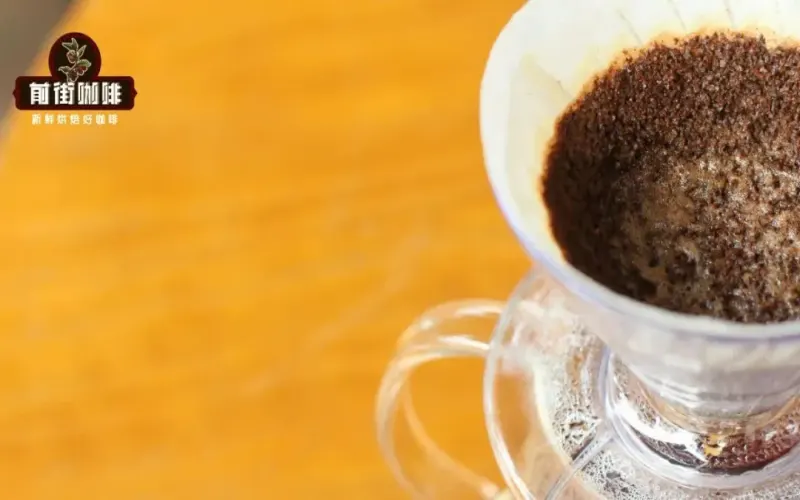
Have you ever encountered a situation like this: using the same brewing parameters, regularly processed coffee beans complete extraction in about 2 minutes, but when you switch to anaerobically processed beans, the process always finishes early—dripping through in 1.5 minutes or even less? The resulting coffee tastes bland and thin-bodied, a classic sign of under-extraction. Why do anaerobic beans drain so quickly? The core reason is that anaerobic fermentation alters the internal structure of the coffee beans, making them more porous, less dense, and more brittle at the same roast level. After grinding, the particles tend to be coarser with larger gaps, so hot water meets less resistance as it passes through the coffee bed. To solve this problem, the key is to extend the contact time between hot water and coffee grounds. This article will start from how anaerobic processing affects bean structure, combine it with Front Street Coffee's hands-on experience, focus on specific methods for extending extraction time by grinding finer, and offer ideas for subsequent fine-tuning. [more…]

A Complete Parameter Guide to Making Espresso with Light-Roast Coffee Beans: Key Adjustment Points for Grind, Dose, Time, and Milk Coffee Ratios
Espresso is typically based on medium-dark or dark roasted coffee beans, because the caramelized aromas blend more harmoniously with milk. However, drinking the same flavor over the long term inevitably becomes monotonous, and many coffee enthusiasts turn to light roasted beans with prominent floral and fruity notes, such as Front Street Coffee Huakui SOE or Front Street Coffee Strawberry Candy espresso blend, which when used to make a latte can highlight creamy smoothness and berry-cocoa notes. Yet the difference in density and brittleness between light and dark roasts is significant, and using dark roast parameters to extract light roasted beans often results in espresso that is sharply acidic and thin, with an unbalanced mouthfeel once milk is added. This article systematically sorts out the five core parameters that need adjustment when switching from dark roast to light roast: the grind size needs to be adjusted finer by 2 to 4 steps, the dose increased by 0.5 to 1 gram, the extraction time extended to 28 to 40 seconds, the brew ratio loosened to about 1 to 2.5, and the amount of milk appropriately reduced to avoid masking the coffee's true flavor. All adjustments are premised on the freshness of the coffee beans, and Front Street Coffee ships everything freshly roasted within 5 days, with 24-hour shipping support, ensuring the flavor is at its best. [more…]
How Do Roast Levels Change Coffee Flavor? A Full Analysis of the Differences Between Light and Dark Roasted Beans and Their Energizing Effects
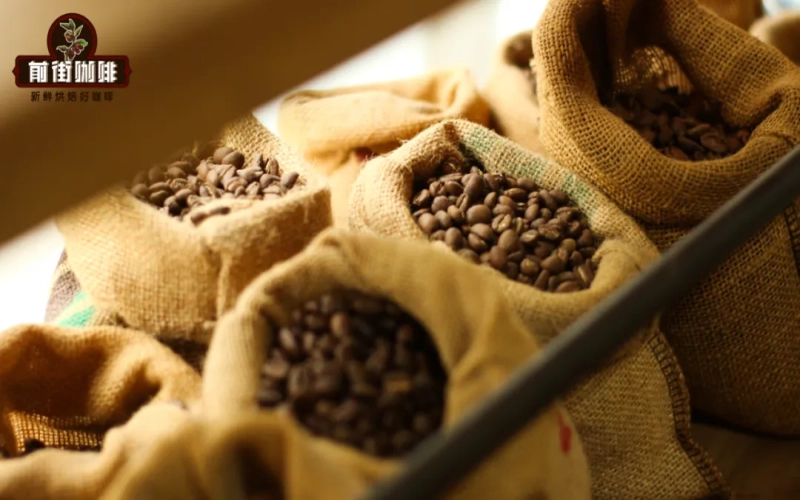
From light to dark roast, coffee beans may differ by only about 10°C in temperature, yet their flavors can be completely different. The degree of roasting not only affects the beans' color, size, density, and brittleness, but also reshapes aroma and taste through the Maillard reaction and caramelization. This article starts with roast classification, explains the SCAA color value standards and the flavor characteristics of light, medium, and dark roasts, and combines the specific performances of Front Street Yirgacheffe·Red Cherry and Front Street Warm Sun Blend to help readers understand how different roast levels affect the balance of acidity and bitterness, aroma complexity, and energizing effect. [more…]

Can Light Roast Coffee Beans Make Espresso? A Practical Guide to Grind Settings for Huakui Latte
Many coffee enthusiasts are curious: can light-roasted coffee beans actually be used to make espresso? The answer is yes, but you need to master a few key techniques. Compared with medium-dark roasted beans, light-roasted beans, due to their high density and low brittleness, produce coarser particles at the same grinder setting, which easily leads to under-extraction and a sharp, pungent sourness. Using Front Street Ethiopia Huakui as an example, this article explains in detail how to make light-roasted beans into a delicious espresso with a round, sweet-and-sour profile and berry and floral notes by adjusting the grind finer, extending the extraction time, increasing the liquid yield, and adjusting the milk coffee ratio. Whether you want to try an Americano or a latte, these practical parameters can help you get started easily. [more…]

How to brew unfamiliar coffee beans perfectly in one go? Determine pour-over parameters for light and dark roasts based on roast level and density
Buying a bag of unfamiliar coffee beans, the biggest fear is using the wrong parameters and wasting good beans for nothing. In fact, even without an existing brewing recipe on hand, you can judge whether the beans suit a high-efficiency or low-efficiency extraction method by observing their roast level and density, and thereby set the appropriate water temperature, grind size, and ratio. In this article, Front Street Coffee will walk you through starting from flavor descriptions and bean hardness, breaking down the differences between light-roast and dark-roast coffee beans step by step, and using two beans—Ethiopian Huakui and PWN Golden Mandheling—as examples to provide directly referenceable pour-over parameters, so you can brew confidently even when facing new beans. [more…]
Analysis of the Maillard Reaction and Caramelization in Coffee Roasting: Chemical Changes from Green Beans to Flavor
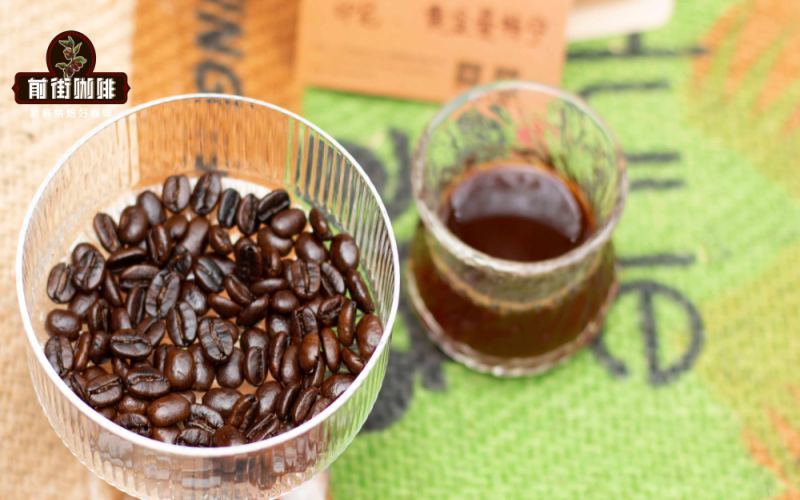
Coffee roasting is a journey through complex chemical changes. In this process, the Maillard reaction and caramelization play crucial roles. The Maillard reaction, proposed by French chemist L.C. Maillard, is a series of non-enzymatic browning reactions between reducing sugars and proteins or amino acids under thermal catalysis, bringing flavor, mouthfeel, color, and complexity to coffee. Caramelization occurs during first crack, when sugars are heated and dehydrated to produce caramel and volatile aldehydes and ketones, deepening the bean color and creating aromas of fruit, caramel, and roasted nuts. Roasting reduces the density of coffee beans, making them drier and more brittle, increasing permeability, and making the components easier to dissolve. This article provides a detailed analysis of the three stages of roasting and the profound effects of each reaction on coffee, and recommends representative coffee beans such as Front Street Queen's Estate, Front Street Blue Mountain No. 1, and Front Street PWN Golden Mandheling. [more…]
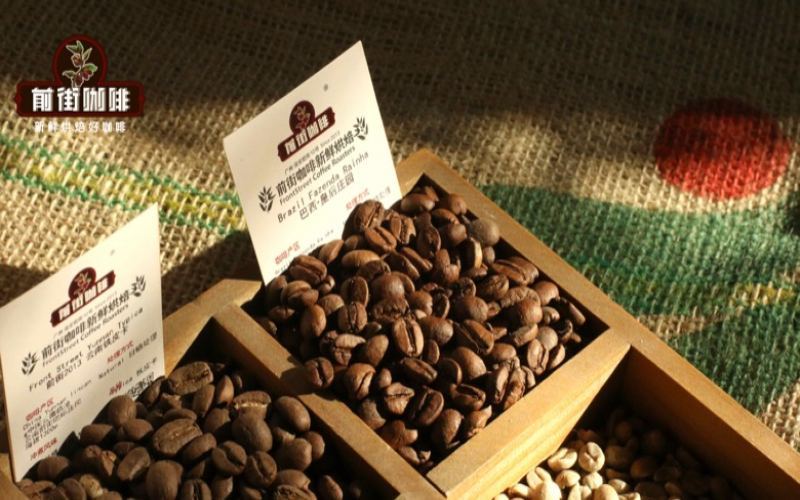
Brewing Brazilian and Colombian coffee with a moka pot: how to pair the nutty sweetness
Brazil and Colombia both work well in a moka pot for expressing nutty and sweet notes, but the flavor focus of the two is not the same. Brazil commonly shows hazelnut, peanut brittle, caramel, and cocoa, with a rounded mouthfeel, making it suitable as a substantial base; Colombia often carries brown sugar, caramel, ripe fruit, and a soft citrus note, which can give the brewed coffee more [more…]

Nutty Chocolate-Flavored Coffee: Roast Level Determines the Taste Profile
Flavors like nuts, cocoa, and caramel often bring to mind a round, sweet, and smooth cup of coffee. However, even when chocolate notes are listed, light, medium, and dark roasts deliver quite different experiences in the cup. Whether you want a crisp cocoa note, a soft nutty sweetness, or an intense dark chocolate flavor, the key is to first look at the roast level, then [more…]
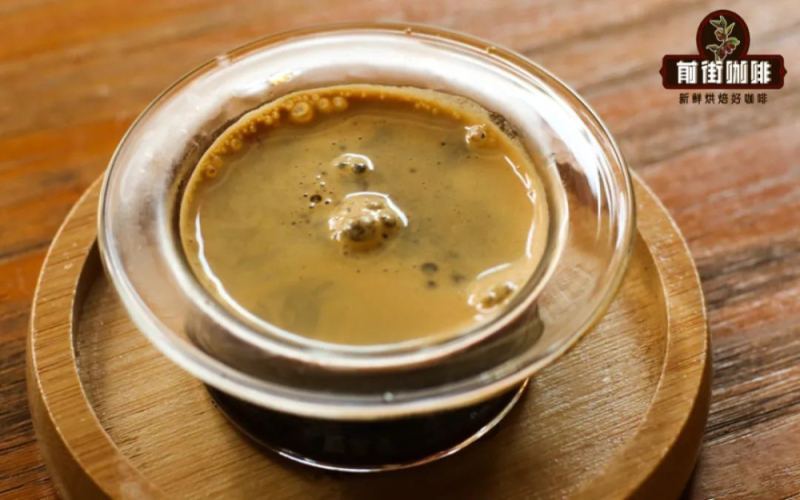
A Complete Analysis of the Causes of Thin Espresso Crema, Large Bubbles in Crema, and Bland Flavor, and Grind Adjustment
When making espresso, have you ever encountered thin crema, large bubbles floating on the surface, or a weak-tasting shot? The root cause of these problems often points to the same variable—grind size. Grinding too coarse speeds up the flow of hot water and shortens the contact time between water and coffee grounds, which not only under-extracts the flavors but also causes the force of the liquid stream to whip air into the espresso, forming large bubbles. In addition, improper storage of coffee beans leading to the loss of carbon dioxide and aromatic compounds, or switching to beans with a different roast level without recalibrating the grind, can likewise trigger similar symptoms. This article will break down these causes one by one and provide specific grind adjustment methods and formulas to help you once again extract espresso with rich crema and full-bodied flavor. [more…]
Coffee Bean Storage | Can You Use the Freezer to Keep Coffee Beans Fresh? Do Frozen Coffee Beans Need to Be Thawed Before Brewing?
Freezing is a very popular method of "preserving" coffee beans in recent years. Simply seal the coffee beans and toss them into the freezer, and the flavor loss of the coffee will slow down, thus extending its shelf life. Many friends have adopted this method to stock up on coffee beans purchased during Front Street Coffee's discount events. [more…]
Do Frozen Coffee Beans Need to Be Thawed? From Storage Methods to Brewing Parameters, a Complete Guide to Using Frozen Coffee Beans Correctly
Does putting coffee beans in the freezer really extend their peak flavor window? Some friends have found that beans that have been frozen brew up with weaker aroma and a thin body, and so they suspect freezing is useless. In fact, freezing really can slow down coffee bean degassing and extend freshness, but only if storage and brewing are both done right. This article covers everything from airtight portioning and preventing condensation, to the two routes of brewing frozen beans directly versus brewing after thawing, and uses comparison data from Front Street Yirgacheffe · Gutingding to help you fully understand the complete operational logic of frozen coffee beans in one go. [more…]
Judging the Flow Rate of Pour-Over Coffee and Analyzing the Core Factors That Affect Flow Speed
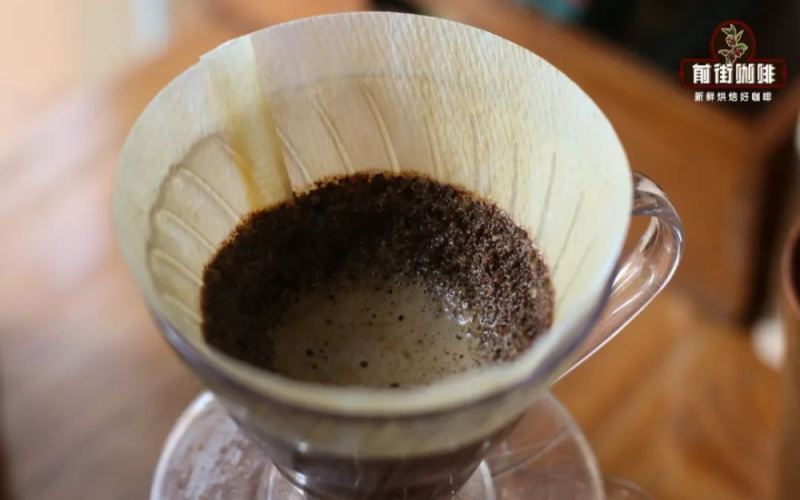
In the process of pour-over coffee, many enthusiasts encounter the same dose of coffee grounds yet vastly different extraction times—some finish smoothly in about two minutes, while others complete their drip in less than a minute and a half. What exactly determines this difference in flow rate? And what do faster or slower flow rates each signify? Drawing on the hands-on experience of Front Street Coffee, this article systematically examines the key factors affecting pour-over flow rate—including roast level, processing method, coffee bean texture and density, and grind setting—and offers adjustment strategies for abnormal flow rates, helping you judge and respond more accurately in your daily brewing. [more…]
The Moka Pot's Rich Aroma Code: What Roast Level Determines
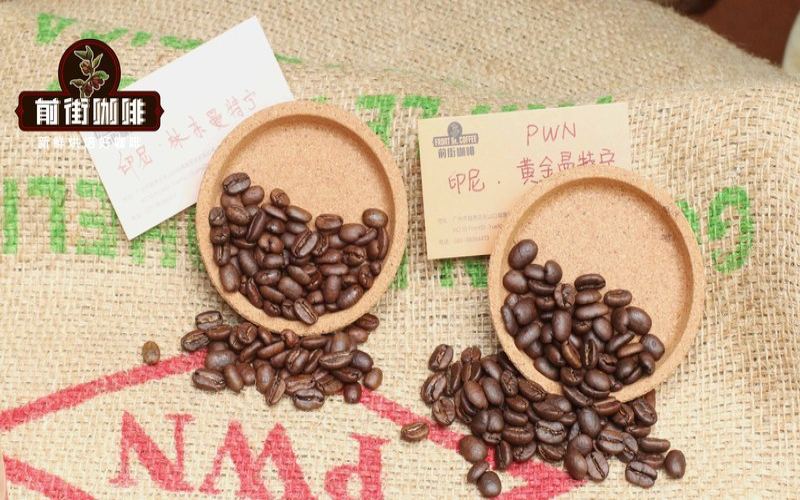
Coffee brewed in a moka pot has concentrated aroma and a full body, and the roast level of the beans directly shapes the character of the cup. If you want pronounced roasted and cocoa notes, or if you care more about gentle sweetness and a clean finish, start with the roast level first, then look at specific beans and brewing habits. Light-roasted beans usually retain [more…]
Roast depth decides body, here's how to choose among three types of coffee beans
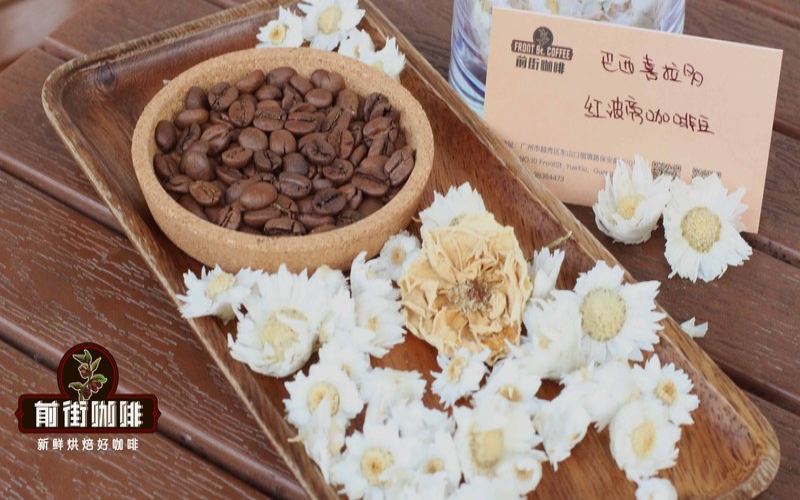
Coffee with rich crema usually feels more coating on the palate, and its aroma tends to linger a bit longer in the mouth. However, shiny coffee bean surfaces do not necessarily mean the brewed crema will be abundant. Roast level, bean freshness, blend composition, and extraction method all affect the crema in the cup. To find a suitable [more…]
Understand roast levels—buy blended beans this way
The roast level of an espresso blend directly affects the aroma, sweetness, body, and finish of the shot. For those just starting to make coffee at home, rather than facing a long list of origins and processing methods, it's better to first look at the roast direction on the packaging: whether the beans are on the lighter side, medium, or darker in color. This judgment can help you anticipate the flavor on the palate. [more…]